
For decades, the US dollar has reigned supreme as the world’s reserve currency, underpinning global trade, finance, and economic stability. However, dark clouds are gathering over the financial horizon, and the once-mighty greenback is teetering on the edge of an unprecedented collapse. Today, we’re going to deep dive into the several forces that are converging: unsustainable debt levels, the weaponization of the dollar, shifting geopolitical alliances, technological disruptions, and the resurgence of traditional commodities – each playing a critical role in the inevitable downfall of the dollar. The writing is on the wall, and unless drastic measures are taken, the dollar’s days as the linchpin of the global economy are numbered.
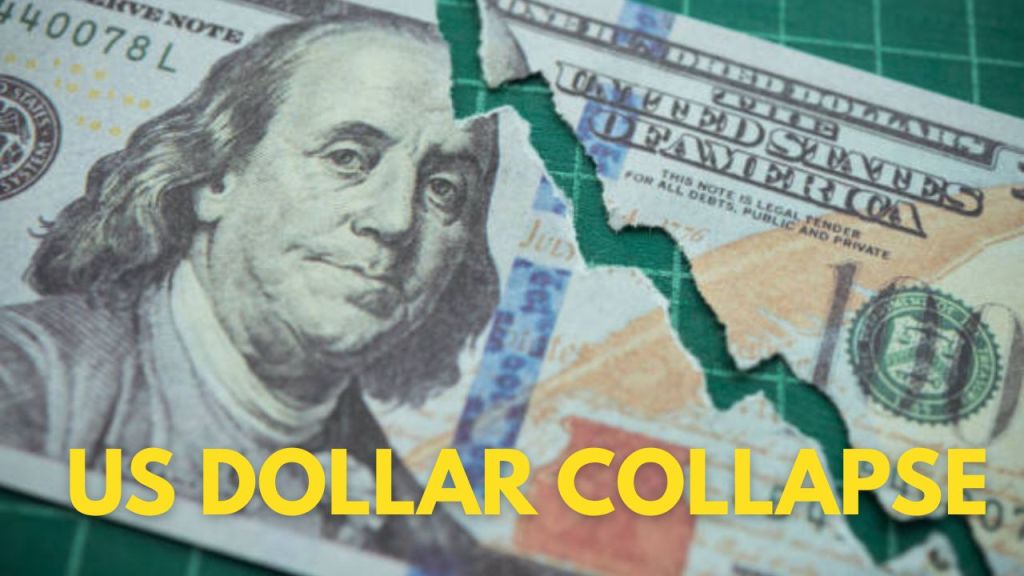
Unsustainable Debt: A Fiscal Ticking Time Bomb
At the heart of the dollar’s impending demise is the United States’ unsustainable debt burden. The US is accumulating a trillion dollars in debt every 100 days – a staggering rate that would have been unthinkable just a decade ago. To put this in perspective, the national debt now exceeds $38 trillion and is growing exponentially, fueled by deficit spending on entitlement programs, military expenditures, and interest payments on existing debt. This alarming trajectory places enormous pressure on the federal government’s ability to finance itself without triggering severe economic consequences.
Interest payments on this massive debt are poised to equal the defense budget within a few years and will surpass it over the next five years. This means that within a decade, the United States will be spending more on servicing its debt than on national security- a stark indication of fiscal mismanagement. By 2031, America’s Medicare Hospital Trust Fund will be insolvent, and by 2033, the Social Security Trust Fund will be completely depleted. These looming insolvencies will force the government to either drastically cut benefits, raise taxes significantly, or print more money- each of which comes with profound economic and political risks.
The core issue is that the US government has built an economic model reliant on perpetual borrowing. Unlike in past decades, where economic growth could outpace debt accumulation, the current trajectory shows debt rising at a far greater rate than GDP growth. The Congressional Budget Office (CBO) projects that by 2050, debt-to-GDP will reach an unsustainable 200%, a level typically associated with failing economies and hyperinflation.
This fiscal trajectory is simply unsustainable. The US government must continue borrowing to fund essential programs, but any economic downturn, especially a recession, would only exacerbate the situation. A shrinking economy means lower tax revenues, higher social spending, and an increased likelihood of default. The growing deficit also means that the US government will need to pay higher interest rates to attract lenders, further ballooning its obligations. Currently, interest rates set by the Federal Reserve are at their highest levels in over two decades, making it more expensive for the government to service its debt. If interest rates continue to rise the federal budget will be further squeezed, leaving little room for discretionary spending or economic stimulus in times of crisis.
Moreover, as debt levels spiral out of control, global confidence in US Treasuries, long considered the safest investment in the world, is beginning to wane. Foreign investors, particularly China and Japan, have started reducing their holdings of US debt, fearing that continued fiscal irresponsibility will lead to a weakening dollar and potential default. If major foreign creditors decide to dump US Treasuries enmasse, the Federal Reserve may be forced to step in as the buyer of last resort, leading to rampant money printing and further debasement of the currency.
With global credit rating agencies already warning about possible downgrades, trust in US debt as a “safe haven” is eroding, leading to the potential collapse of confidence in the dollar itself. In 2023, Fitch Ratings downgraded the US credit rating from AAA to AA+, citing concerns over fiscal deterioration and governance instability. If further downgrades occur, borrowing costs will rise even higher, creating a vicious cycle of debt accumulation and economic instability.
Weaponization of the Dollar: The World Takes Note
The US dollar has long been a powerful tool for exerting geopolitical influence, but its use as a weapon is now backfiring. On February 26, 2022, following Russia’s invasion of Ukraine, the US and its allies imposed severe sanctions, freezing Russia’s foreign reserves held in Western banks. This unprecedented move sent shockwaves through the global financial system, demonstrating that holding US dollars could become a liability rather than an asset.
The global buy-in to freeze Russia’s assets alarmed many nations, particularly those with strained relations with the US. If a country’s reserves can be frozen at Washington’s discretion, then holding significant dollar reserves poses an existential risk. As a result, many nations, especially those outside the Western sphere, are reassessing their exposure to the dollar. China, India, and even Saudi Arabia are exploring ways to reduce their dependence on the dollar in trade, accelerating the shift toward de-dollarization.
Furthermore, this move has reinforced fears that financial sanctions could be used as a political tool against other nations. Countries such as Iran, Venezuela, and even allies like Turkey have taken notice, pushing them to develop alternative financial infrastructures that bypass the US-dominated banking system. The freezing of Russian assets has served as a cautionary tale, prompting central banks worldwide to diversify their reserves, reducing exposure to the dollar and increasing holdings of gold and other assets.
Moreover, the weaponization of the dollar has accelerated discussions within the BRICS bloc and other emerging economies about creating alternative financial mechanisms. Institutions such as the Asian Infrastructure Investment Bank (AIIB) and the New Development Bank (NDB) are increasingly seen as viable substitutes to US-led financial institutions like the IMF and World Bank. These developments signal a growing consensus that relying on the dollar-dominated system poses significant economic and geopolitical risks.
Geopolitical Alliances: The Rise of a New Order
The emergence of BRICS (Brazil, Russia, India, China, and South Africa) as a counterweight to Western economic dominance has further weakened the dollar’s grip. These nations, along with other commodity-rich countries, are actively developing alternative payment systems and reducing reliance on the US dollar.
China and Russia, for example, have agreed to conduct bilateral trade in their own currencies, while countries like Saudi Arabia and the UAE are considering accepting non-dollar payments for oil transactions. The petrodollar system where oil transactions are conducted exclusively in US dollars, has been a cornerstone of the dollar’s global dominance. If major oil producers shift away from this system, the demand for the dollar will plummet, shaking the very foundations of its supremacy.
Additionally, the BRICS bloc is working to create a new reserve currency, backed by a basket of their respective currencies and potentially commodities like gold. This alternative financial architecture could pose a direct challenge to the dollar-centric system, providing countries with an escape route from dollar dependency.
With BRICS expansion and increased cooperation among non-Western economies, the world is moving towards a multipolar financial system where economic power is more evenly distributed. This transition marks a significant departure from the post-World War II era, where the US dollar reigned unchallenged. The shift away from the dollar is no longer a theoretical discussion – it is actively unfolding in global markets, accelerating the de-dollarization process and signaling a fundamental transformation in the global financial order.
Technological Advancements: The Rise of Digital Currencies
The digital revolution is further eroding the dollar’s stronghold. Central Bank Digital Currencies (CBDCs) are gaining traction worldwide, offering an alternative to the dollar-based financial system. China’s digital yuan, for instance, is already being tested in cross-border transactions, bypassing traditional banking systems reliant on the dollar. The rapid expansion of digital payment infrastructure, particularly in emerging economies, is allowing nations to reduce their dependence on dollar settlements in international trade.
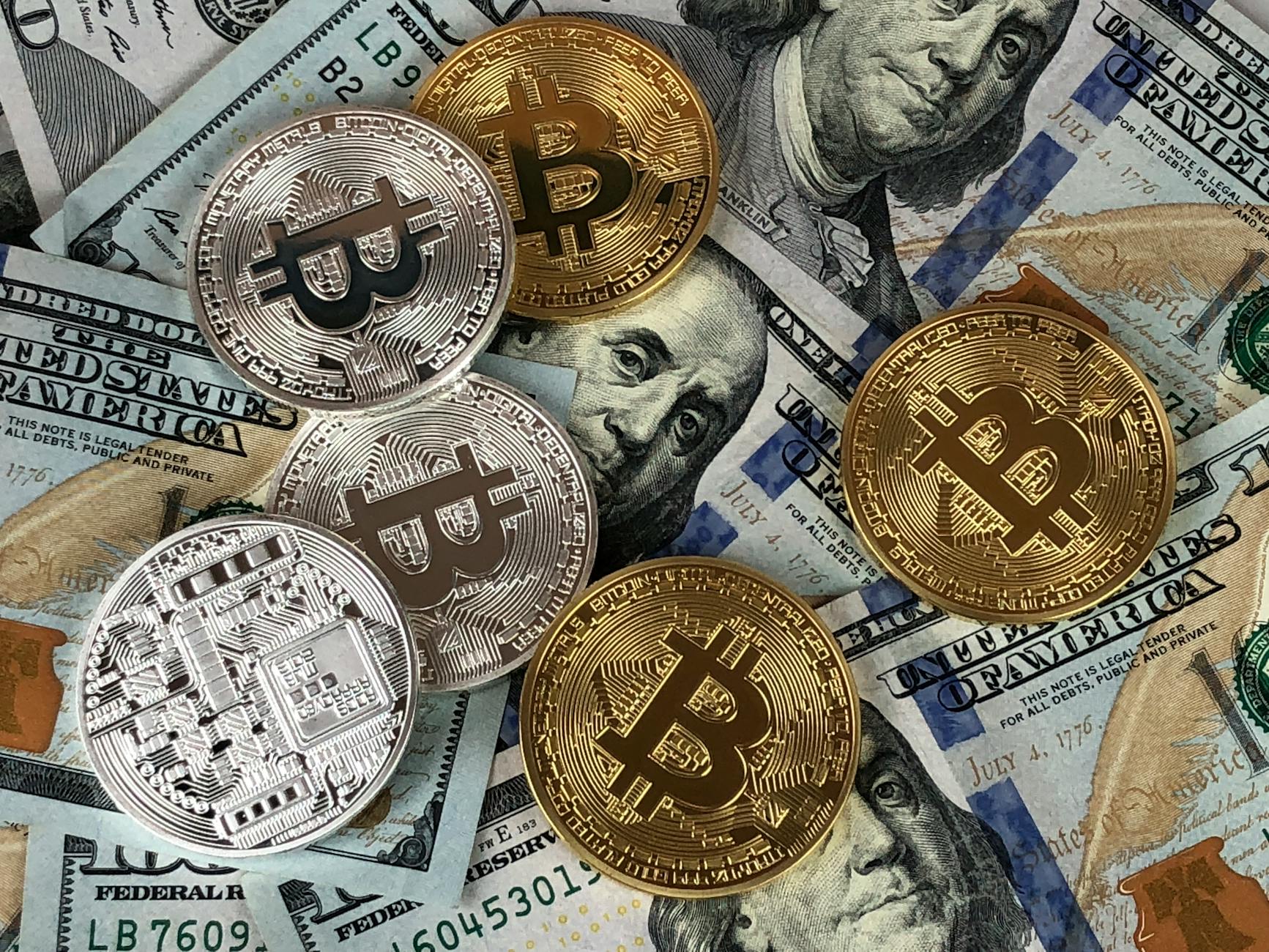
Beyond CBDCs, cryptocurrencies like Bitcoin and Ethereum, along with blockchain-based financial networks, provide decentralized alternatives to fiat currencies. These digital assets offer lower transaction costs, enhanced security, and resistance to government control, making them attractive for both individuals and businesses. As more countries explore legal frameworks to regulate and integrate cryptocurrencies into their financial systems, the need for dollar-denominated transactions is diminishing. Some nations are even exploring the idea of using digital assets as reserves, further diversifying their financial exposure away from the US dollar.
Another major technological shift is the increasing replacement of the SWIFT payment system with alternatives such as China’s Cross-Border Interbank Payment System (CIPS) and Russia’s SPFS. These systems allow for international transactions without reliance on US-controlled networks, further undermining the dollar’s dominance in global trade. Additionally, financial innovations like stablecoins: digital currencies pegged to tangible assets like gold or other fiat currencies, are creating parallel financial ecosystems that bypass traditional dollar-based banking structures.
With the rise of fintech platforms, artificial intelligence in financial transactions, and decentralized finance (DeFi) solutions, the global economy is rapidly moving toward a future where digital assets play a dominant role. These advancements not only threaten the dollar’s position but also introduce new financial systems that are more adaptable and resistant to geopolitical pressures. The dollar-centric financial order is being challenged from multiple fronts, and the digital transformation of money is accelerating its decline.
The Resurgence of Gold and Silver: The Return to Real Value
As faith in fiat currencies declines, traditional commodities like gold and silver are regaining their historical role as stores of value. Central banks around the world, including China, Russia, and India, are increasing their gold reserves, signaling a shift back to hard assets.
Gold has long been regarded as a hedge against inflation, economic uncertainty, and geopolitical turmoil. With global inflation soaring and confidence in the dollar eroding, investors are turning to tangible assets that cannot be manipulated or debased by government policies. Unlike fiat currencies, which can be printed indefinitely, gold and silver have intrinsic value and a finite supply, making them attractive alternatives for wealth preservation.
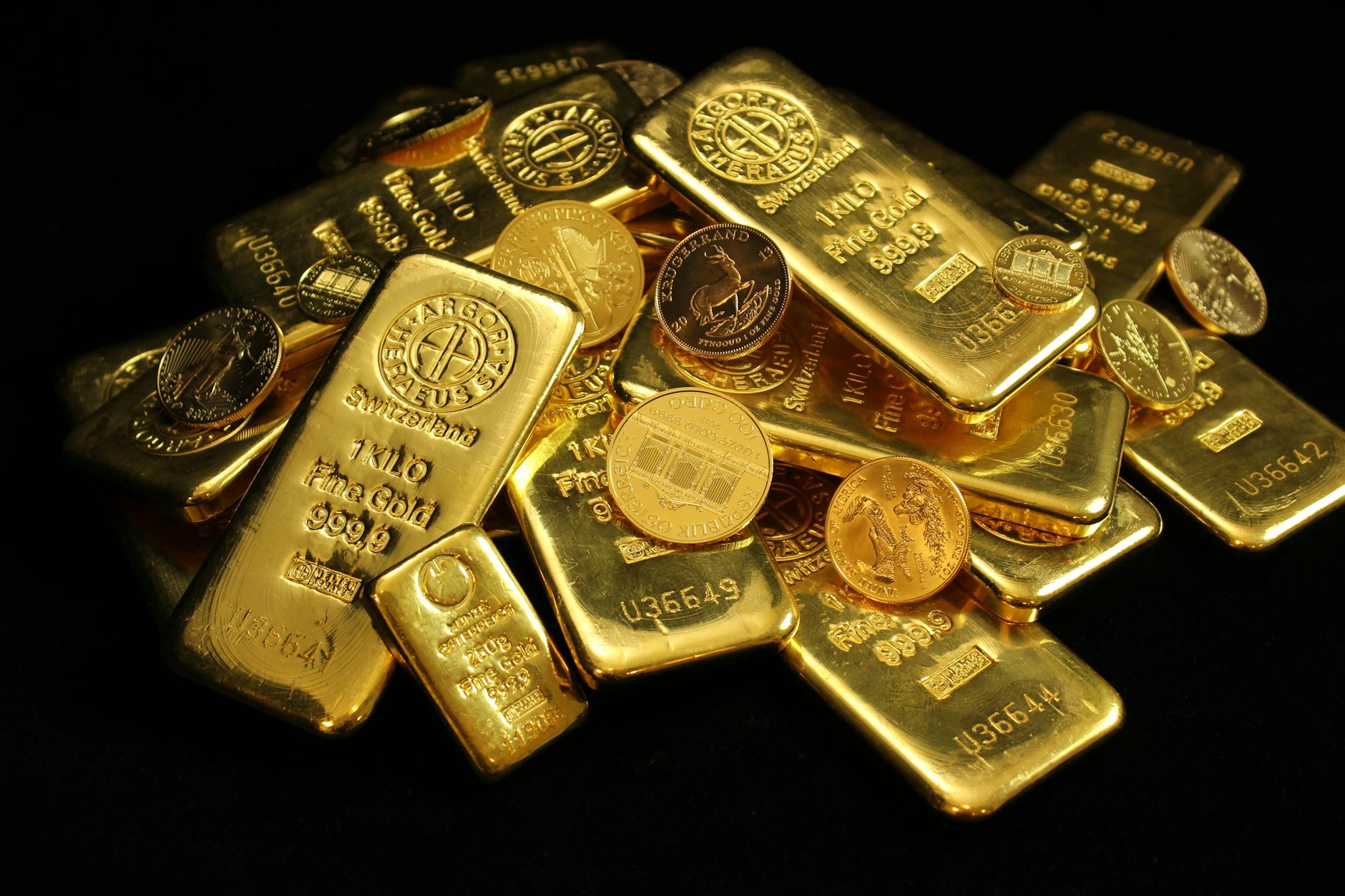
Over the last few years, central banks have been purchasing gold at a pace not seen in decades. According to data from the World Gold Council, central banks bought a record 1,045 metric tons of gold in 2024, followed by another 800-1,000 metric tons in 2025. This level of demand underscores the global effort to diversify reserves away from the US dollar and protect national economies from potential financial turmoil.
China has been aggressively increasing its gold reserves, a move widely interpreted as part of its strategy to reduce dependence on the US dollar. The People’s Bank of China (PBOC) has been purchasing gold for over a year, adding 225 metric tons in 2023 alone. As of early 2024, China’s official gold reserves exceed 2,250 metric tons, though experts believe the actual figure could be much higher when accounting for undisclosed purchases.
Russia has been steadily building its gold reserves, particularly after the US and its allies imposed severe sanctions following the invasion of Ukraine. With Western financial institutions freezing Russian foreign reserves, Moscow has doubled down on gold as a safe-haven asset. In 2022 and 2023, Russia’s central bank increased its reserves by over 100 metric tons, bringing its total holdings to around 2,300 metric tons.
India has also ramped up its gold acquisitions, purchasing over 75 metric tons in 2023. With total reserves now exceeding 800 metric tons, the Reserve Bank of India (RBI) is prioritizing gold as a hedge against inflation and currency volatility.
The De-Dollarization Process: A Slow but Steady Shift
The combination of these forces—unsustainable debt, the weaponization of the dollar, the rise of alternative financial systems, technological advancements, and the resurgence of gold and silver—is fueling a slow but steady process of de-dollarization. Countries are reducing their dollar holdings, conducting trade in local currencies, and establishing independent financial infrastructures.
For decades, the US has enjoyed the “exorbitant privilege” of issuing the world’s reserve currency, allowing it to print money without immediate repercussions. However, as trust in the dollar erodes and alternatives emerge, the US will lose its ability to finance deficits cheaply. When the world no longer needs as many dollars, the Federal Reserve will face an existential crisis- printing more money to cover obligations will only lead to hyperinflation, while cutting spending could trigger economic collapse.
Conclusion: The Dollar’s Inevitable Reckoning
The collapse of the US dollar will not happen overnight, but the signs of its demise are becoming increasingly clear. The mounting debt crisis, reckless fiscal policies, global geopolitical realignments, rapid technological advancements, and the revival of traditional stores of value are all pushing the dollar toward an irreversible decline.
While the US government may attempt short-term fixes—raising interest rates, restructuring debt, or imposing capital controls—these will only delay the inevitable. The world is moving toward a multipolar financial system where no single currency dominates. In this new reality, the US must prepare for a future in which the dollar is no longer the undisputed king of global finance. The transition will be painful, but those who anticipate and adapt to the changing landscape will be best positioned to navigate the coming financial storm.
If you found this article informative, subscribe to our website for more in-depth explorations of global issues, and share it with your friends to help spread awareness. If you are keen to take ride via a video, do click on the link below for more visual satisfaction which comes with experts opinions. Let us know your thoughts in the comments below. Together, we can make a difference.
Related video: https://rumble.com/v6yfky6-the-imminent-crash-of-the-us-dollar-a-perfect-storm-in-the-making.html
 Business Finance Insider
Leave a comment