
In a world dominated by flashy logos, limited-edition collaborations, and brand-name worship, there’s one store that’s quietly thriving by doing the exact opposite. It doesn’t scream for attention, it doesn’t rely on celebrity endorsements, and in fact, it barely even has a logo. That store is Muji.
You’ve probably walked past it in a shopping mall—a clean, wood-paneled space radiating calm, filled with neatly stacked notebooks, muted cotton clothing, and unbranded furniture so well-designed it makes your home look like a spa. But behind this soft-spoken, neutral-toned aesthetic is a fascinating story: one that begins in 1980s Japan, winds its way across continents, and builds a global retail empire- all without ever shouting its name.
So how did Muji go from selling discounted groceries to becoming a lifestyle icon across the world? Who’s behind it? How much money has it made? And perhaps most intriguingly, how does a “no-brand” brand survive in an era where branding is everything?
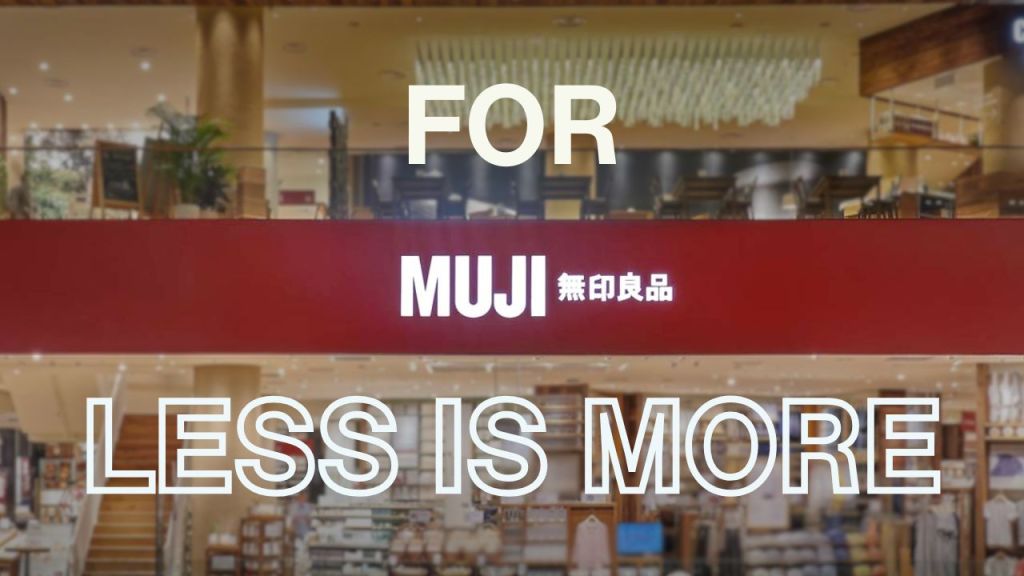
From Groceries to Global Zen: How Muji Began
Muji’s story starts in Japan in 1980. At the time, the country was dealing with the aftershocks of the oil crisis and a sluggish economy. Consumers were cutting back, and frugality was in. That’s when Seiyu, a large Japanese supermarket chain, decided to create a new line of household and food products. The idea was simple: offer high-quality items at a lower price by stripping away the unnecessary. No fancy packaging, no excessive branding, just the essentials.
They called it Mujirushi Ryohin, which translates to “no-brand quality goods.” The first 40 products were mundane things—pasta sauce, notebooks, cotton undershirts—but they were thoughtfully made, affordably priced, and packaged in minimalist, recycled materials. And much to everyone’s surprise, people loved them.
It turns out, Japanese consumers were hungry for a change. After years of buying into the post-war consumer boom, they were beginning to crave something different, something quieter. And Muji’s humble products, with their stripped-down design and clear utility, hit that sweet spot.
It didn’t take long before the no-brand idea became a brand in itself.
The Minds Behind the Minimalism
Now, Muji doesn’t have a Steve Jobs or Elon Musk figure – there’s no single billionaire founder who engineered its rise. Instead, it was shaped by a mix of corporate strategy and creative vision.
The original concept came from Seiyu, but one of the biggest creative forces behind Muji’s identity was Ikko Tanaka, a legendary Japanese graphic designer. He established the clean, minimalist visual language that still defines the brand today. Meanwhile, business visionaries like Tadamitsu Matsui and later executives like Rei Matsuzaki helped spin Muji into its own independent company: Ryohin Keikaku Co., Ltd. in 1989. That move allowed Muji to develop its own stores, expand product lines, and steer its own course.
Ryohin Keikaku eventually went public in 1995. Since then, it has grown into a multibillion-dollar company. The exact market capitalization fluctuates, but it’s typically valued somewhere between $2.5 and $3.5 billion USD. Unlike tech start-ups or luxury fashion houses, Muji’s wealth has been more diffusely distributed across its executive leadership and shareholders. So while there isn’t a single Muji billionaire hogging the spotlight, the company has generated serious value—and not just in Japan.
The Power of Less: Why Muji Works
Now, Muji isn’t the only store selling home goods or stationery. So what’s its secret? Why do people around the world love it so much?
Well, it comes down to a combination of lifestyle, timing, and trust. At its core, Muji is built around a minimalist philosophy—products that are functional, beautifully simple, and built to last. Whether it’s a pen, a stackable drawer, or a linen shirt, every item serves a clear purpose without unnecessary decoration. This functional simplicity fits especially well into modern urban living, where space is limited and clutter is the enemy.
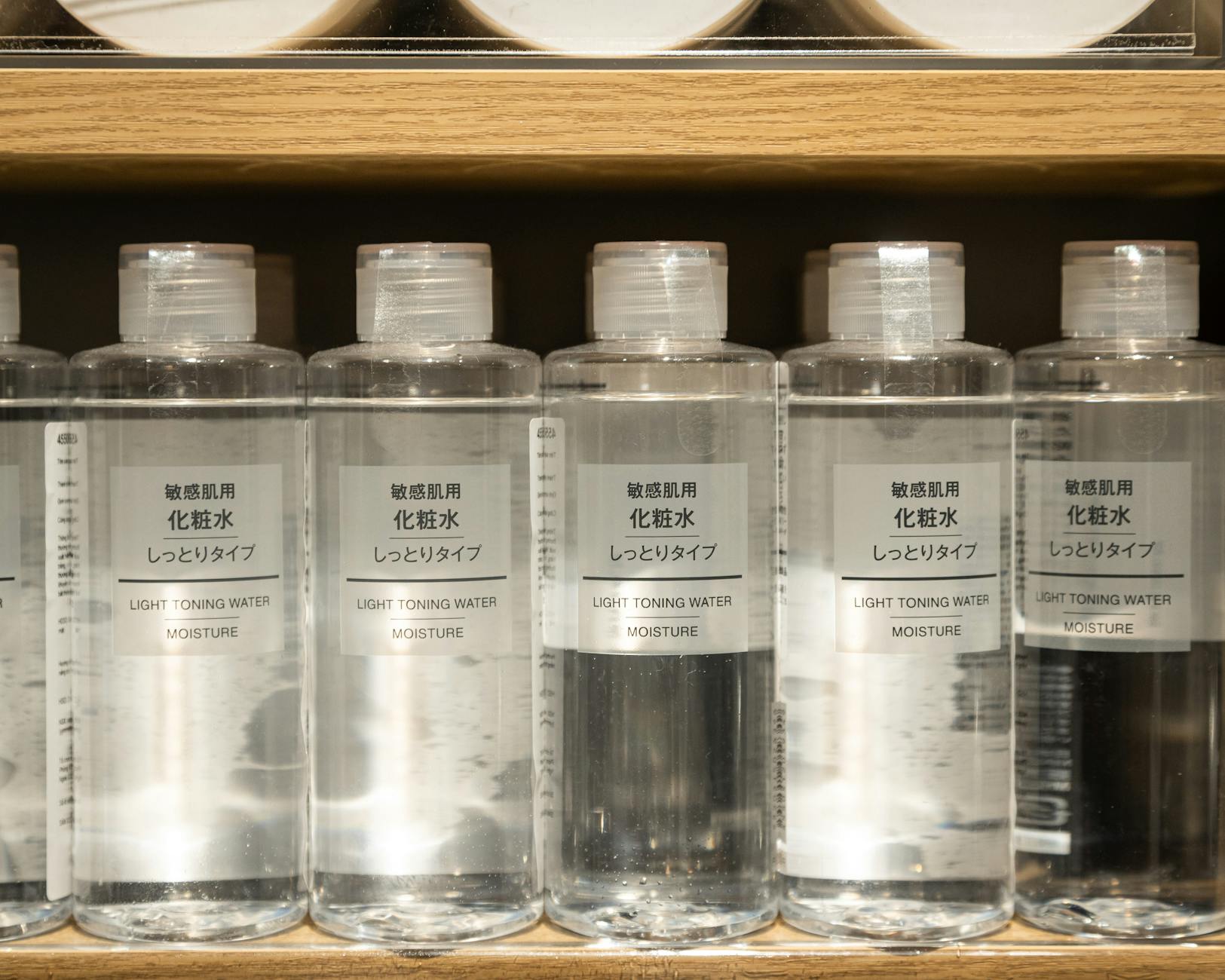
And then there’s the timing. When Muji really began to expand in the 2000s, the world was shifting. After the 2008 financial crisis, conspicuous consumption started to feel a little… tacky. People began seeking mindfulness, sustainability, and authenticity. Muji, with its “less is more” ethos, slotted right into that emerging cultural mood.
Beyond that, Muji simply makes quality things. It’s not the cheapest option, but the value is solid, you get well-made, thoughtfully designed products that don’t fall apart or go out of style. And because Muji avoids garish branding, its items can blend seamlessly into just about any space or outfit. You’re not paying for a label. You’re paying for quiet excellence.
Crossing Borders: Muji Goes Global
After conquering Japan, Muji began expanding abroad. Slowly but steadily, it opened stores in London, New York, Paris, Shanghai, and beyond. Today, Muji operates in over 30 countries. But unlike some companies that blast into international markets with massive ad campaigns, Muji took a subtler approach. It let the stores speak for themselves.
Of course, going global wasn’t without its challenges. Different markets had different tastes, different living spaces, and different consumer expectations. So Muji adapted. In China, it launched locally inspired furniture and adjusted clothing sizes. In the U.S., it focused more on travel accessories and stationery. But through it all, it maintained its core identity.
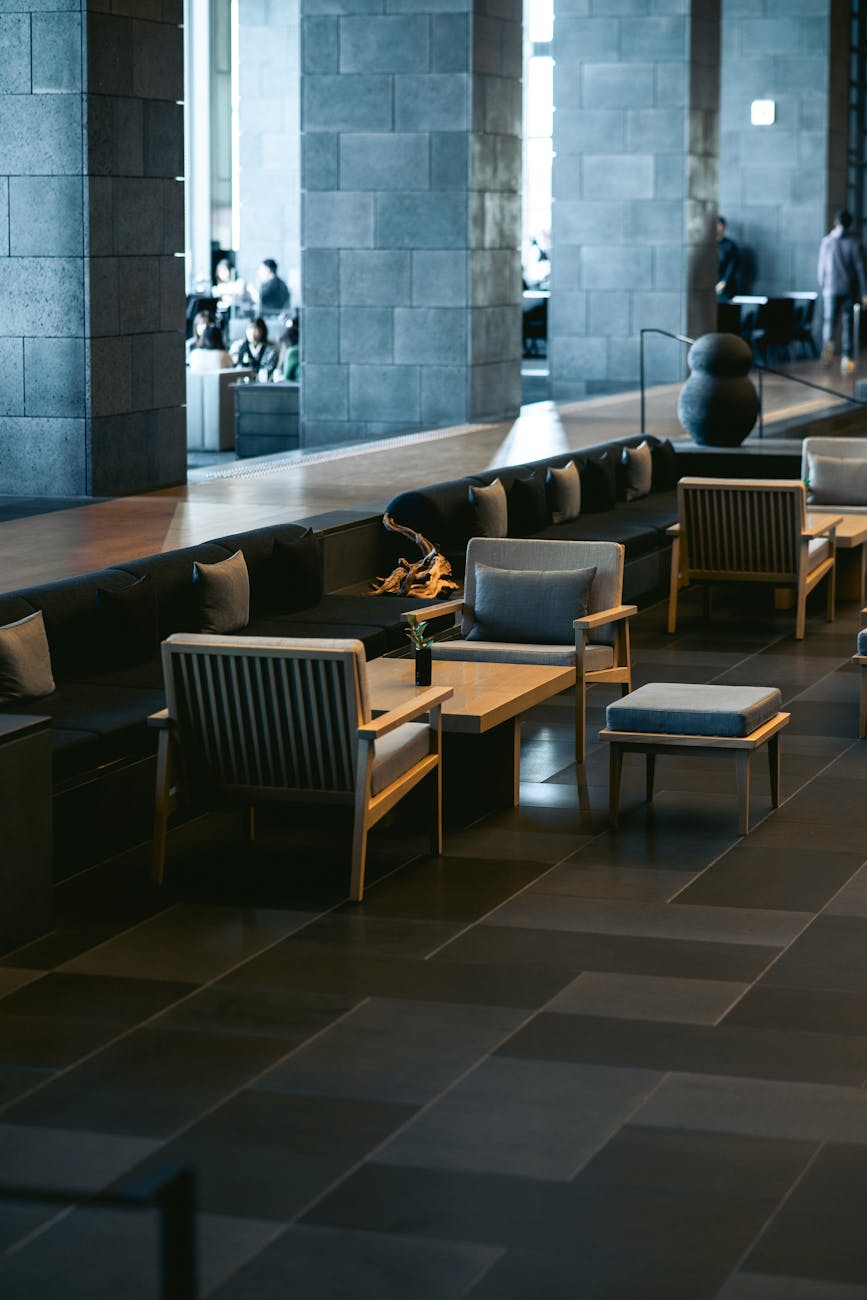
One of the most interesting moves was the creation of Muji Hotels – yes, actual hotels where you can sleep on Muji beds, sip tea from Muji cups, and soak in the full minimalist lifestyle. They launched in Tokyo, Beijing, and Shenzhen, and they’ve become Meccas for design nerds and Muji superfans.
Trouble in the Temple of Simplicity
But even Muji, with all its serene composure, has faced turbulence.
In 2020, Muji’s U.S. business filed for bankruptcy, not because of product failures, but due to the brutal one-two punch of high retail rents and the COVID-19 pandemic. It was a wake-up call that even the most well-loved brands have to stay financially nimble.
The company also struggled with digital transformation. As online shopping exploded, Muji was a bit slow to catch up. Its website and e-commerce logistics lagged behind competitors like Amazon, IKEA, or even Uniqlo, forcing a late-stage scramble to modernize.
Then there were the legal and political headaches. In China, a huge market for Muji, the brand got caught in several trademark disputes. At one point, it lost a major court case to a local company using the same name. That allowed knockoff products to flood the market under the Muji name, leading to confusion and brand dilution.
Despite these issues, Muji continues to have a strong foothold. But staying relevant means rethinking the playbook, not just sticking to the same beige color palette.
The Road Ahead: Reinvention Without Losing the Soul
Today, Muji finds itself in an interesting position. It’s both a cultural icon and a company in flux. With the post-COVID world reshaping how people shop and live, Muji is pivoting. It’s consolidating its physical stores, investing more in digital platforms, and doubling down on its strengths: sustainability, design, and practicality.
In Japan, it’s even ventured into new territory: like modular prefab homes, community hubs, and subscription food services. These aren’t just products; they’re expressions of a Muji lifestyle. The company knows that people don’t just want to buy Muji – they want to live Muji.
And that’s the magic. Muji is not just selling furniture or pens. It’s selling peace of mind. It’s selling a way to simplify, declutter, and reconnect with the things that matter. And in a chaotic, noisy world, that message is more powerful than ever.
Conclusion: The No-Brand Brand That Built a Global Identity
Muji’s rise is one of the most fascinating stories in modern retail not because it chased trends, but because it resisted them. It trusted that people would see the beauty in restraint, the honesty in plain design, and the value in quiet excellence.
There’s no single celebrity founder, no viral campaign, and no ostentatious luxury here. Just a company that believed in quality, clarity, and calm – and built an empire doing it.
And as the world grows louder and more chaotic, Muji’s silence may just continue to be its loudest strength.
And if you enjoyed diving into the quietly powerful world of Muji, how it rose from post-recession Japan to become a global symbol of minimalist living, then go ahead and give this article a like.
Got thoughts on Muji? Ever shopped there or tried one of their hotels? Or maybe you’ve got a favorite product that perfectly captures that no-brand magic? Drop your comments below, we’d love to hear what you think.
And if you’re into deep dives like this, stories behind iconic brands, unexpected success stories, or design that changed the world, make sure to subscribe and turn on notifications so you don’t miss what’s coming next.
If you fancy a visual ride of the no-brand story, click on the video link below and let yourself immerse in the Muji story.
https://rumble.com/v6y4oam-muji-the-no-brand-that-built-a-global-empire.html
 Business Finance Insider
Leave a comment