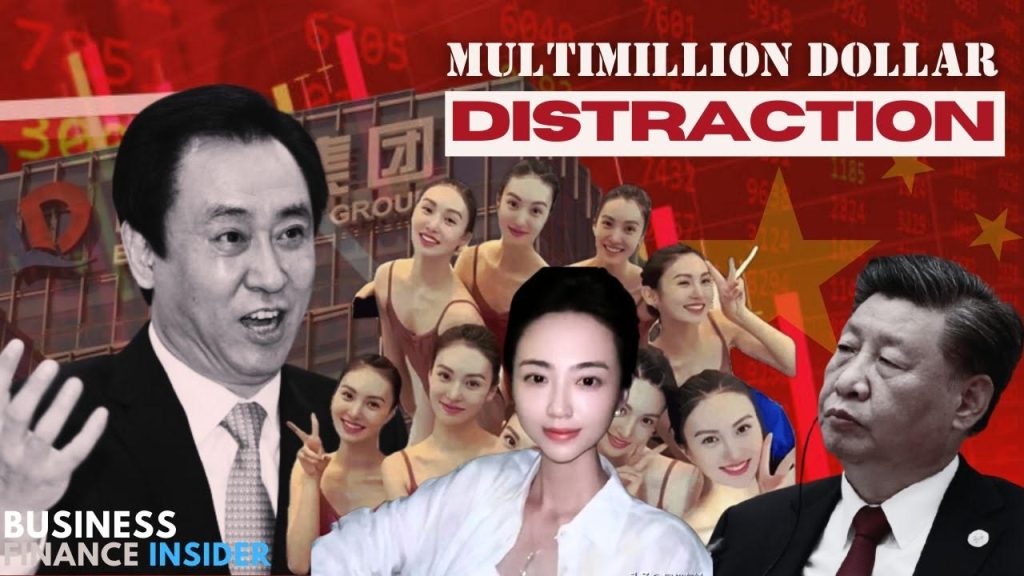
The fall of Evergrande Group did not begin with a market crash or a single disastrous decision. It began in ballrooms drenched in gold light, in choreographed performances designed to mesmerize powerful guests, and in a culture where spectacle became inseparable from strategy. At its peak, Evergrande looked less like a property developer and more like an unstoppable empire — a $50 billion titan projecting glamour, confidence, and invincibility. Behind the velvet curtain, however, a $300 billion debt mountain was quietly growing, waiting for the moment gravity would finally win.
What unfolded was not merely a corporate collapse. It was a slow-burning drama of ambition, illusion, and excess — a modern business tragedy where image temporarily outran arithmetic, and performance masked peril.
The Illusion of Limitless Power
For years, Evergrande embodied the fever pitch of China’s real estate boom. Towering projects stretched across cities. Revenues surged into the billions. Investors saw a company expanding with breathtaking speed and assumed momentum itself was proof of strength.
Inside Evergrande’s orbit, confidence was currency. Public displays of success were not optional — they were foundational. Grand corporate events shimmered with luxury, reinforcing the narrative that this was an empire operating on a higher plane. The message was unmistakable: this was growth without limits, ambition without hesitation.
Yet beneath that brilliance lay a fragile equation. Expansion was fueled by relentless borrowing — a high-wire act dependent on constant refinancing and unbroken investor faith. The company’s valuation soared, but so did its obligations. Every new project, every celebration of success, quietly tightened the financial knot.
From the outside, Evergrande looked like a fortress. In reality, it was balancing on a blade.
Choreographing Confidence
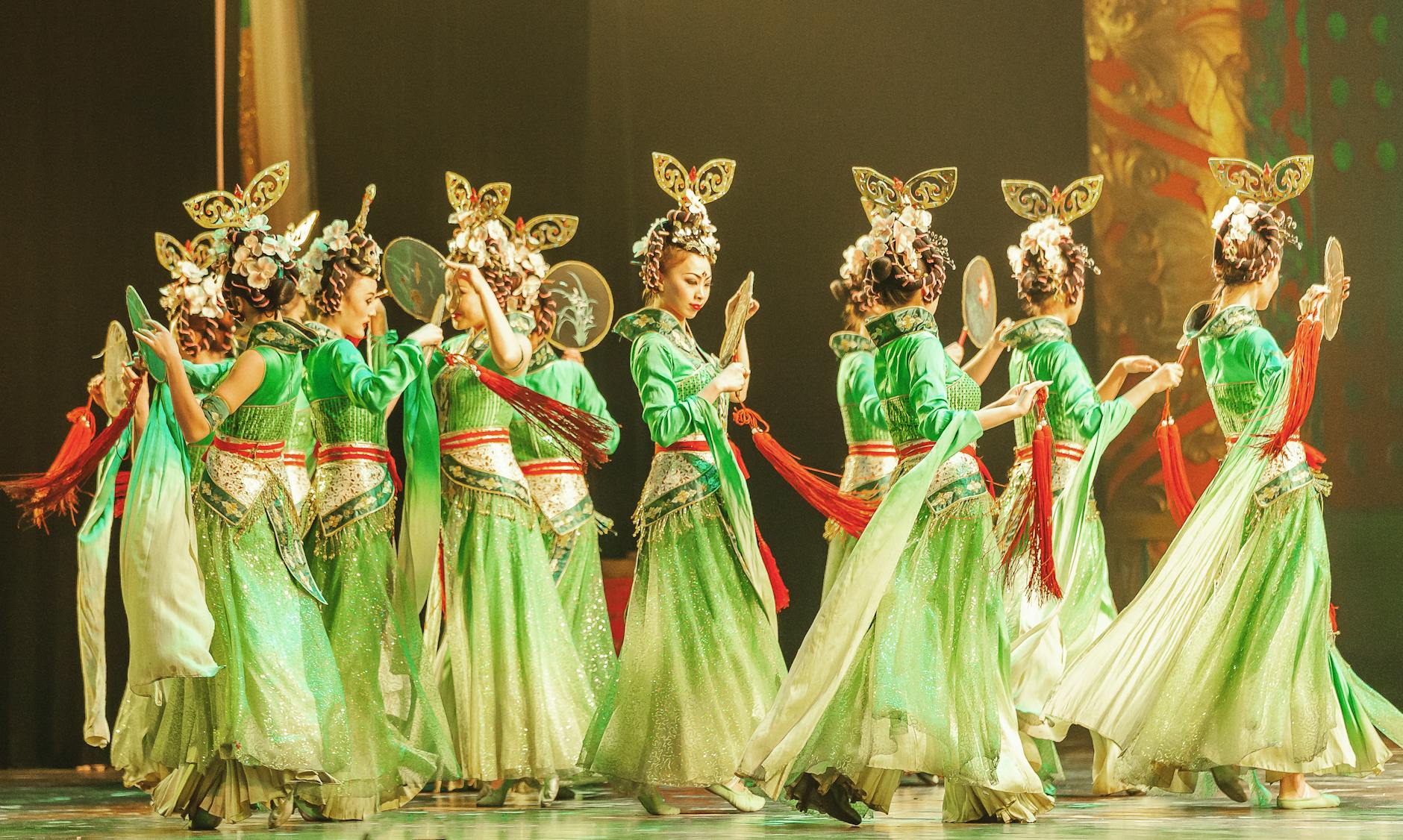
Few corporations have blended entertainment and finance as boldly as Evergrande. Corporate gatherings routinely featured a meticulously curated dance troupe — performers selected for precision, elegance, and spectacle. These were not simple celebrations; they were immersive productions engineered to overwhelm the senses.
Guests entered worlds where lights glimmered off polished marble, music pulsed with cinematic intensity, and dancers moved in perfect synchronization. The atmosphere suggested limitless resources and flawless control. In that moment, surrounded by beauty and abundance, doubt felt almost inappropriate.
These performances did more than entertain — they shaped perception. Investors and partners were enveloped in a narrative of prosperity so vivid it became difficult to reconcile with risk. The spectacle served as a psychological anchor: a company capable of such grandeur must surely be financially unshakeable.
But the irony was devastating. Each dazzling display was indirectly financed by the same borrowing that was stretching Evergrande to its limits. The choreography symbolized control; the balance sheet told a story of escalating vulnerability.
Glamour as Strategy
Central to Evergrande’s cultivated mystique was supermodel Bai Shan Shan — a figure whose presence amplified the company’s aura of luxury and aspiration. Crowned in a prestigious modeling competition, she became a living emblem of refinement, elegance, and success.
Her appearances at high-level events transformed routine corporate gatherings into moments of theatrical prestige. She wasn’t simply there to be admired — she represented the lifestyle Evergrande promised: polished, triumphant, untouchable. In rooms where billion-dollar decisions were made, image mattered, and Bai Shan Shan’s presence reinforced a carefully crafted illusion of stability.
As Evergrande’s financial strain deepened, that illusion grew more important — and more fragile. The contrast between glittering presentation and mounting liabilities sharpened into something almost cinematic: a world of perfect lighting concealing structural cracks.
The performance continued even as the tension behind the scenes escalated.
The Architect of Excess
At the center of this empire stood Hui Ka Yan — charismatic, commanding, and relentless. His leadership style fused bold rhetoric with conspicuous displays of success. Public appearances were marked by confidence bordering on defiance, reinforcing the image of a man steering an unstoppable machine.
Luxury surrounded him: opulent offices, high-profile events, and symbols of status that projected dominance. For investors and employees alike, Hui embodied the narrative Evergrande sold to the world — ambition without ceiling, expansion without fear.
But charisma is not collateral. Behind the bravado lay a strategy dependent on leverage at a scale rarely seen. Borrowing financed Evergrande’s explosive growth, allowing it to outpace competitors and dominate headlines. For a time, the gamble appeared visionary.
Yet leverage is unforgiving. When credit conditions tightened and regulators signaled discomfort with runaway debt, Evergrande’s financial architecture began to tremble. What had once been a symbol of daring expansion now looked dangerously exposed.
The empire was running out of runway.
When the Numbers Revolt
Evergrande’s debt — approximately $300 billion — was not a static figure. It was a living pressure system requiring constant maintenance. Cash flow, refinancing, and investor confidence formed a delicate ecosystem. Disrupt any part of it, and the strain multiplied instantly.
When market sentiment shifted, liquidity evaporated faster than anticipated. Refinancing channels narrowed. Obligations loomed. Suddenly, Evergrande was no longer orchestrating spectacle — it was fighting arithmetic.
Each lavish initiative, each prestige project, now fed into a cycle of urgency. Payments were delayed. Confidence eroded. The once-celebrated engine of expansion became a liability machine accelerating toward crisis.
The illusion that had sustained Evergrande began to fracture in public view.
The Collapse Unfolds
Corporate collapses are often imagined as singular moments — a headline, a filing, a dramatic announcement. Evergrande’s downfall was more like a cascading avalanche. Missed obligations triggered alarm. Suppliers felt the strain. Homebuyers feared unfinished projects. Global markets braced for contagion.
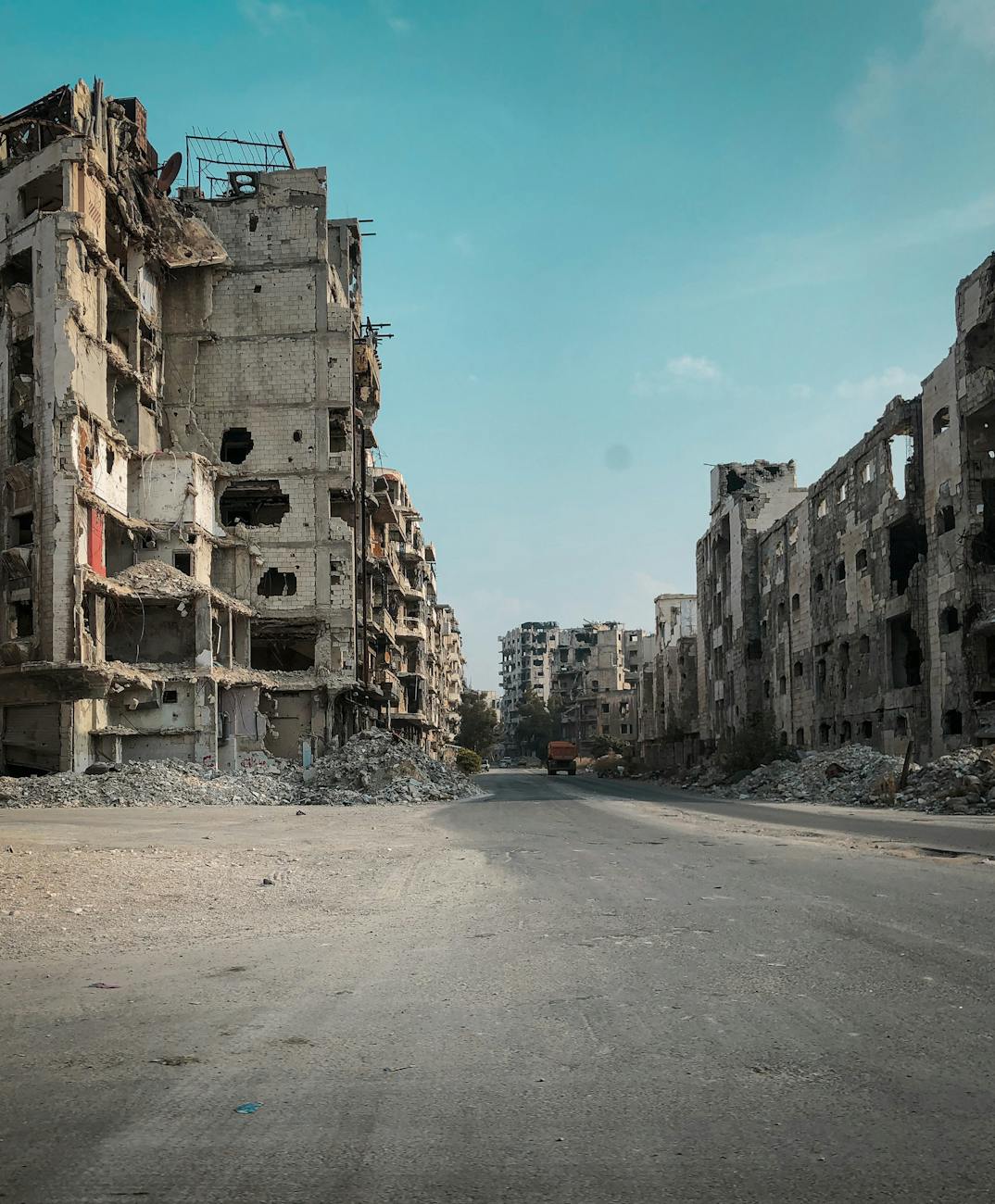
The spectacle that once inspired awe now underscored the magnitude of the fall. A company that had embodied excess and ambition was confronting its limits in real time.
For Hui Ka Yan, scrutiny intensified. Investigations and public backlash transformed his narrative from visionary architect to cautionary figure. The empire he built was no longer a symbol of triumph — it was a warning etched in financial history.
The collapse reverberated beyond corporate walls, prompting reassessment across China’s property sector and global credit markets. Evergrande was no longer just a company in distress; it was a stress test for an entire growth model.
Performance Meets Reality
The drama of Evergrande’s rise and fall lies in its central tension: perception versus sustainability. Spectacle created momentum, momentum attracted capital, and capital funded further spectacle. For a time, the cycle appeared self-sustaining.
But financial gravity is patient. It does not negotiate with branding or choreography. Eventually, cash flow must reconcile with obligation. When that reckoning arrived, Evergrande’s glittering façade offered no protection.
The performances that once symbolized dominance became haunting metaphors — reminders of how convincingly success can be staged even as risk compounds beneath the surface.
Lessons Written in Excess
Evergrande’s collapse delivers a stark message: ambition amplified by leverage can achieve breathtaking heights, but without discipline, the descent is equally dramatic. Image can inspire confidence, but it cannot substitute for solvency.
For corporate leaders, the saga underscores the danger of conflating perception with resilience. For investors, it is a reminder to interrogate fundamentals beyond spectacle. For regulators, it illustrates how systemic risk can accumulate behind narratives of growth.
The lesson is not that spectacle is inherently deceptive — it is that spectacle without structural integrity is unsustainable. Sustainable empires are built on balance, not bravado.
A Legacy of Warning
Today, Evergrande’s story reads like a modern corporate epic — dazzling ascent, theatrical confidence, and a fall as dramatic as the rise. The dance performances, supermodel glamour, and executive bravado are now inseparable from the cautionary tale they frame.
The empire did not collapse because it dared to dream big. It collapsed because the financial scaffolding beneath those dreams could not support their weight.
In the end, Evergrande’s tragedy reminds us that no performance — no matter how mesmerizing — can suspend economic reality forever. Behind every spectacle lies a ledger, and when the numbers revolt, even the grandest stage goes dark.
Thank you for joining me on this one-on-one journey into the collapse of a $50B empire. Don’t forget to subscribe, like, share, and comment with your thoughts on this cautionary tale.
If you fancy a more exciting ride through a roller coaster visual journey, click on the video: https://rumble.com/v6v719z-evergrande-collapse-the-supermodel-that-caused-the-downfall-of-a-multi-bill.html
 Business Finance Insider
Leave a comment