
The phrase “reciprocal tariff” may sound technical, even dull. But behind it lies one of the most ambitious economic ideas to reshape global trade in decades. What appears at first glance to be a simple trade policy is, in reality, a strategic blueprint aimed at rebalancing international commerce and restoring American leverage.
At the center of this proposal is Donald Trump, whose economic philosophy has consistently revolved around one principle: fairness. If another country imposes tariffs on American goods, the United States should respond with equal treatment. No more uneven arrangements. No more one-sided access. Just reciprocity.
Far from being an act of aggression, the Reciprocal Tariff proposal is framed as a reset button — a way to ensure that America competes on equal footing in the global marketplace.
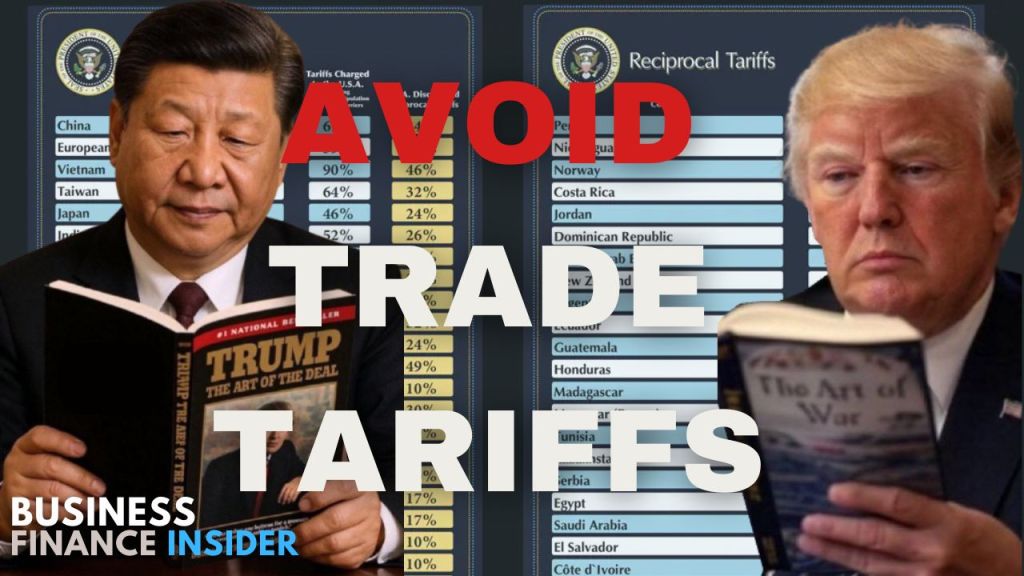
A Straightforward Principle: Equal Treatment
The logic behind reciprocal tariffs is simple and intuitive. If Country X charges 25 percent on American exports, the United States charges 25 percent on imports from that country. If they charge zero, the US charges zero. It is symmetry in its purest form.
For years, tariff structures between nations have varied widely. In some cases, American goods entering foreign markets face higher duties than foreign goods entering the United States. Automobiles provide a well-known example: US vehicles exported to the European Union face a 10 percent tariff, while European cars entering the US are subject to a 2.5 percent tariff.
Similar asymmetries exist across multiple sectors and trading relationships. Reciprocal tariffs aim to harmonize those differences — not by escalating trade barriers indefinitely, but by encouraging alignment.
The message is clear: trade should be mutually beneficial and structurally fair.
A Formula Designed to Encourage Balance
Beneath the bold rhetoric lies a calculated framework. Rather than targeting individual products with endless complexity, the reciprocal tariff proposal can be applied using a broader formula tied to trade balances.
The calculation works like this:
Tariff percentage = (US trade deficit with Country X ÷ Total bilateral trade volume) × 50%
For example, if the United States runs a $100 billion trade deficit with a country and total trade between them amounts to $400 billion, that represents a 25 percent deficit relative to overall trade. Applying the 50 percent factor results in a 12.5 percent tariff.
There is also a proposed baseline of 10 percent to ensure a consistent floor.
The brilliance of this structure lies in its incentive-based design. It does not aim to shut down trade. Instead, it nudges countries toward balance. The 50 percent multiplier ensures the response is firm but not excessive. It signals seriousness while leaving ample room for cooperation.
Most importantly, the system is self-adjusting. As countries purchase more American goods and reduce their trade surplus, the calculated tariff declines automatically. Balance the trade relationship, and the tariff disappears.
It is pressure with a built-in off-ramp.
Negotiation Through Strength
Understanding the reciprocal tariff requires understanding the mindset behind it. Trump approaches trade like a negotiator, not a bureaucrat. In his view, leverage is essential to achieving better deals.
Tariffs, in this context, are not an end goal. They are negotiating tools.
By signaling that the United States is prepared to match tariff structures abroad, the policy encourages countries to come to the table proactively. It reframes trade discussions from defensive posture to confident assertion.
Rather than waiting years for multilateral consensus, the approach moves swiftly and directly. It places clarity at the center of the conversation: equal treatment or structured adjustment.
The result is a system that encourages engagement rather than stagnation.
The Clear Path to Avoidance
For America’s trading partners, the pathway to avoiding reciprocal tariffs is remarkably straightforward.
Reduce the trade imbalance.
Because the tariff rate is tied directly to the trade deficit, countries can lower or eliminate the tariff by increasing imports of American goods. Agricultural products, energy exports, advanced manufacturing equipment, aerospace, technology services — the opportunities are extensive.
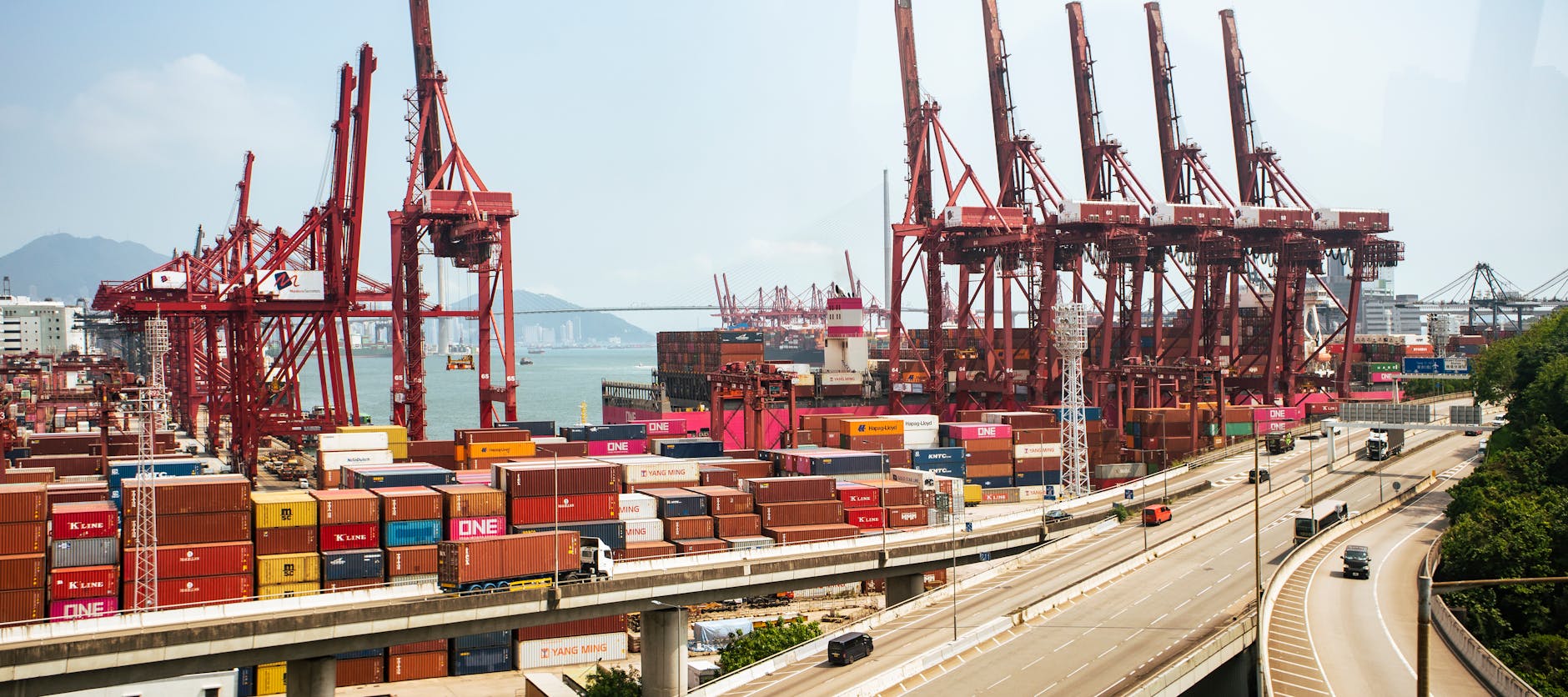
As exports from the United States grow, the trade deficit narrows. As the deficit narrows, the tariff formula recalculates downward. Eventually, if trade reaches equilibrium, the tariff drops to zero.
No prolonged litigation. No drawn-out summits. No bureaucratic maze.
Just measurable economic adjustment.
It is a transparent and rules-based approach that rewards cooperation.
A Catalyst for American Growth
The domestic implications are equally significant. If foreign governments increase purchases of American products, demand rises for US-made goods. That demand translates into expanded production, higher output, and stronger job creation.
Farmers gain larger export markets. Energy producers secure long-term supply contracts. Manufacturers see increased overseas demand. Technology and service firms expand their global reach.

In addition, some international companies may choose to invest directly in American facilities to serve the US market tariff-free. Establishing factories on American soil brings capital investment, infrastructure development, and employment opportunities.
This dynamic reinforces a cycle of growth that strengthens industrial capacity and supports middle-class livelihoods.
From Trade Imbalance to Industrial Renewal
Reciprocal tariffs are often described not merely as a trade tool, but as a broader economic renewal strategy.
For decades, global supply chains have shifted production to lower-cost regions. While consumers benefited from lower prices, certain American communities experienced manufacturing decline.
By recalibrating incentives, the reciprocal tariff framework encourages a rebalancing of production decisions. Companies evaluating global expansion may find greater advantage in investing within the United States, where access to the consumer market is strongest.
This is not isolationism. It is structured competition.
And in that competition, equal footing becomes the guiding principle.
Main Street Momentum
Financial markets often react quickly to policy announcements, but long-term economic shifts unfold over years. Reciprocal tariffs are designed with structural change in mind.
As production expands and exports rise, local economies feel the impact. Industrial towns see renewed activity. Transportation networks handle increased trade flows. Small businesses that support larger manufacturers experience secondary growth.
The strategy redirects attention toward the tangible economy — the factories, farms, and service providers that form the backbone of national output.

It is a recalibration that emphasizes productive capacity over short-term volatility.
A Declaration of Economic Confidence
In describing sweeping tariff initiatives, Trump has framed them as a form of economic liberation — a declaration that the United States will actively shape its trade destiny rather than passively accept existing structures.
The reciprocal tariff embodies that philosophy. It signals that America intends to negotiate from strength and clarity.
The policy does not close doors; it invites adjustment. It does not demand confrontation; it encourages balance. And it offers every trading partner a clear formula for resolution.
The Secret, Simplified
So what is the secret to avoiding the US Reciprocal Tariff?
Engage. Rebalance. Invest.
Increase imports of American goods. Expand market access. Build partnerships that reduce deficits and strengthen mutual growth.
Because at its core, the reciprocal tariff is not about punishment. It is about parity. It establishes a measurable, transparent standard for fairness in trade.
Countries that align with that standard gain full access to the world’s largest consumer market without penalty. Those that choose imbalance face structured incentives to reconsider.
In the end, reciprocal tariffs are less about confrontation than about confidence — a statement that the United States is prepared to compete vigorously and negotiate decisively.
And for those willing to meet it halfway, the path forward is clear, collaborative, and mutually beneficial.
Don’t forget to like this article if you found it informative, subscribe to our website for more in-depth explorations of global issues, and share it with your friends to help spread awareness. Let us know your thoughts in the comments below. Together, we can make a difference.
If you fancy a visual journey of this discussion with expert opinions, click on the link for the professionally produced video: https://rumble.com/v6tkkhp-how-to-avoid-the-us-reciprocal-tariff.html?e9s=src_v1_ucp_a
 Business Finance Insider
Leave a comment