
Inside the $3 Billion Scandal That Tested a Financial Stronghold
A Reputation Built on Financial Integrity
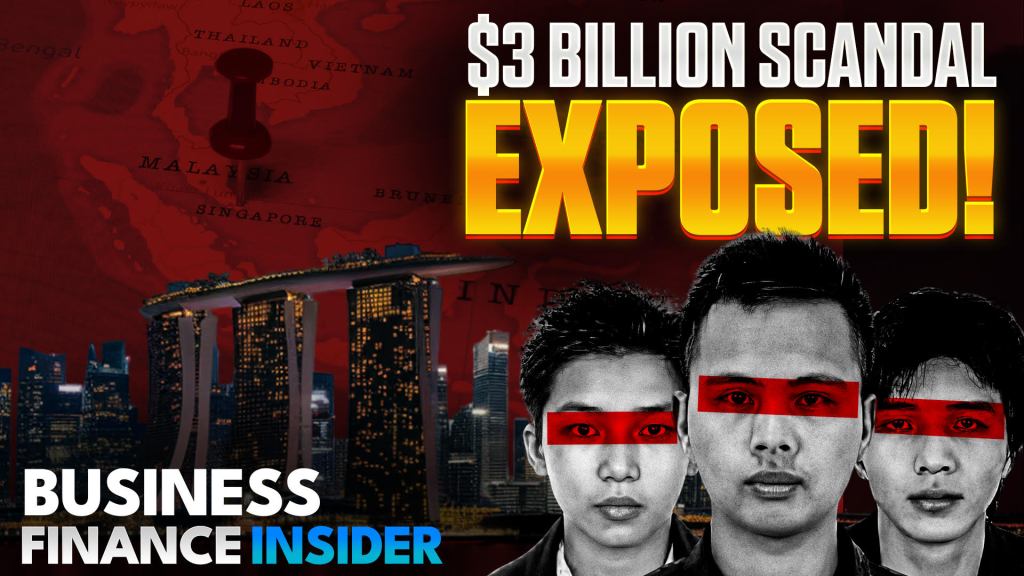
For decades, Singapore has cultivated a global reputation as one of the cleanest and most tightly regulated financial centers in the world. Its political stability, strong rule of law, and disciplined regulatory environment have made it a magnet for international capital seeking legitimacy and security. That carefully constructed image was jolted when authorities uncovered what has since become the largest money-laundering investigation in the nation’s history — a sprawling transnational case involving billions in illicit funds, luxury assets, and a criminal syndicate operating across borders.
The scandal, widely associated with a network referred to as the “Fujian Gang,” forced uncomfortable questions into public discourse. How could such an operation embed itself in one of the world’s most respected financial hubs? Did regulatory safeguards fail, or did criminals simply evolve faster than oversight mechanisms? And perhaps most provocatively, does this episode reveal deeper structural vulnerabilities within Singapore’s financial system?
The Anatomy of a Transnational Laundering Network
Authorities say the syndicate generated vast illicit proceeds primarily through illegal online gambling platforms and unlicensed lending operations centered in Cambodia. Those profits were not simply transferred between accounts. Instead, investigators allege they were systematically converted into high-value assets designed to obscure their origins.
Luxury properties in Singapore, high-end vehicles, gold bars, watches, and digital assets formed part of a laundering strategy intended to blend illicit funds with legitimate wealth. Individuals linked to the network reportedly held multiple foreign passports, enabling cross-border mobility and complicating identity verification. Shell companies layered transactions across jurisdictions, while digital assets introduced additional opacity.

The result was a web of financial activity engineered to appear routine. By embedding illicit proceeds into Singapore’s high-value markets, the network exploited the very stability and credibility that make the city-state attractive to global investors.
The Breakthrough: Suspicious Transactions and August 2023 Raids
The investigation did not begin with a dramatic tip-off, but with routine compliance vigilance. Financial institutions filed suspicious transaction reports flagging irregular patterns — large transfers supported by questionable documentation and activity inconsistent with declared business purposes.
Those alerts triggered a multi-agency probe culminating in a sweeping enforcement action in August 2023. More than 400 officers conducted coordinated raids across multiple locations in Singapore, seizing approximately S$1 billion in assets. Authorities confiscated luxury bungalows, vehicles, large cash holdings, and digital assets in what officials described as one of the most extensive anti-money-laundering operations in the country’s history.
Among those arrested was Sui Jin, identified as a key figure in the network, along with nine associates suspected of playing central roles. Investigators later revealed that Sui possessed five different passports — a detail illustrating how international mobility was embedded into the syndicate’s operational design.
A Network Built for Concealment
As investigators traced financial flows, they uncovered a structure resembling a professional enterprise. Funds were routed through multiple jurisdictions — including Cambodia and other regional financial corridors — before reentering Singapore’s banking ecosystem. Analysts familiar with the case describe a hierarchy in which facilitators managed front businesses while specialists oversaw transaction layering.

This sophistication reflects the evolution of financial crime. Modern laundering operations are less about moving physical cash and more about manipulating legitimate financial systems. By distributing roles and layering transactions, the syndicate allegedly created plausible deniability at every stage.
Banking Oversight Under Scrutiny
The investigation inevitably cast a spotlight on Singapore’s banking sector. Media reporting identified several institutions — including Credit Suisse, Citigroup, DBS, OCBC, and Julius Baer — as having processed transactions linked to individuals under investigation. Authorities have emphasized that processing such transactions does not imply criminal involvement, and no bank has been formally accused of participating in the conspiracy.
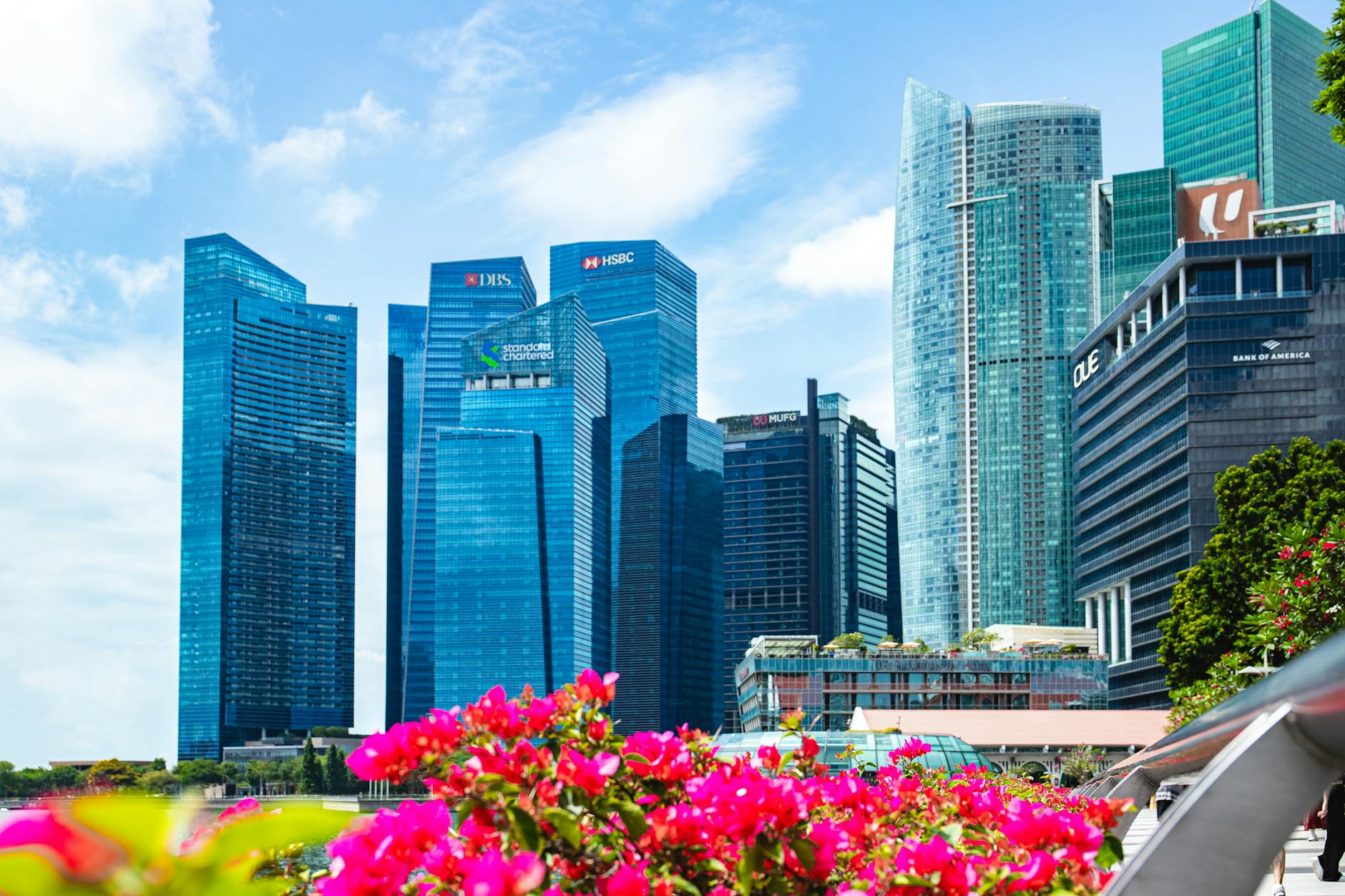
Nevertheless, the episode intensified scrutiny of anti-money-laundering safeguards. The Monetary Authority of Singapore has signaled that financial institutions must continually strengthen monitoring systems as criminal tactics grow more complex. Enforcement actions have also targeted individuals, including former relationship managers and associates alleged to have facilitated illicit transactions, underscoring that accountability extends beyond institutional frameworks.
The Paradox of Trust and Vulnerability
Singapore’s appeal to global investors — transparency, strong governance, and financial connectivity — is also what makes it attractive to criminals seeking legitimacy. Assets embedded in a trusted jurisdiction gain an aura of credibility, allowing illicit wealth to circulate with fewer immediate red flags.
At the same time, Singapore’s role as a financial hub means regulators oversee vast volumes of transactions daily. Maintaining openness while ensuring rigorous scrutiny presents an inherent tension familiar to major financial centers worldwide. The scandal illustrates how determined actors can exploit that balance, even in environments known for strict compliance.
Justice, Sentencing, and Public Debate
The sentencing phase sparked debate over proportionality and deterrence. The ten individuals arrested in August 2023 were convicted and received prison terms ranging from 13 to 17 months, with many deported after completing their sentences. Critics argue these penalties appear modest given the scale of alleged laundering activities, raising concerns about deterrent effect.

Supporters counter that sentencing reflects legal standards and evidentiary thresholds, emphasizing that asset confiscation — amounting to billions in frozen or surrendered wealth — delivers a powerful financial blow to criminal networks. The debate highlights a recurring challenge in financial crime enforcement: balancing legal precision with public expectations of justice.
The Continuing Legal Proceedings
The legal dimension expanded in January 2025 with charges against Wang Junjie, a 42-year-old naturalized Singaporean citizen. Prosecutors allege Wang conspired with Su Baolin and Su Haijin to falsify financial records and mislead institutions including the Inland Revenue Authority of Singapore, DBS Bank, and OCBC Bank. One allegation involves the submission of a fabricated e-commerce agreement intended to legitimize financial flows.
Wang was charged on January 23, 2025, granted bail of S$50,000, and his case was adjourned to March 6, 2025. Court proceedings are ongoing, and no verdict has yet been announced. The charges he faces carry significant penalties if convictions are secured, particularly those involving corporate account falsification and forgery intended to deceive both financial institutions and government authorities. The proceedings underscore how complex financial investigations often extend well beyond initial arrests, reflecting the meticulous evidentiary standards required in cross-border cases.
Why Complex Investigations Take Time
Financial crimes spanning multiple jurisdictions demand forensic accounting, international cooperation, and rigorous legal preparation. Shell companies, digital assets, and falsified documentation create layers that investigators must methodically unravel. Singapore’s judicial framework emphasizes evidence durability over speed, ensuring prosecutions withstand scrutiny.
While lengthy timelines can fuel public frustration, authorities argue that thoroughness is essential to securing meaningful convictions and asset recovery.
Strengthening Singapore’s Defenses
In response to the scandal, Singapore has intensified its anti-money-laundering posture. Agencies including the Monetary Authority of Singapore, the Ministry of Home Affairs, and the Ministry of Trade and Industry have formed coordinated efforts to identify regulatory gaps. Investments in advanced analytics aim to enhance early detection, while compliance expectations for financial institutions continue to tighten.
Cross-border intelligence sharing is also expanding, reflecting the inherently international nature of modern financial crime.
A Reputation Tested — Not Defined
The Fujian-linked scandal represents a significant stress test for Singapore’s financial ecosystem. Yet experts caution against interpreting the episode as evidence that the city-state has become a laundering haven. Financial crime exists in every major economic center; what distinguishes jurisdictions is their ability to detect, investigate, and reform.
In this case, suspicious reporting mechanisms functioned, enforcement agencies acted decisively, and assets were aggressively pursued. Singapore’s reputation has been challenged, but its institutional response suggests resilience rather than systemic collapse.
Ultimately, credibility in global finance is not measured by the absence of wrongdoing — an impossible standard — but by how effectively institutions confront it. Singapore’s ongoing reforms indicate a recognition that vigilance must evolve alongside increasingly sophisticated criminal networks.
If you found this article informative, make sure to hit that like button, subscribe to our website for more insightful content, and share this article to spread awareness. Have thoughts or questions about this case? Drop them in the comments below. We would love to hear from you!
Fancy a visual ride through our professionally prepared video with expert opinions? Click on the link below to watch:
https://rumble.com/v6uf9yr-has-singapore-become-the-money-laundering-capital-of-the-world.html
 Business Finance Insider
Leave a comment